Introduction
Few components on a firearm communicate craftsmanship more clearly than the stock.
Long before synthetic materials became standard, wood stocks represented both function and artistry. Proper finishing protects the wood from moisture, environmental damage, oils, and structural degradation while enhancing grain depth and preserving the firearm for future generations.
A properly finished stock is not simply protected.
It is preserved for generations.
This dispatch examines the most widely used stock finishing methods, their advantages, limitations, and where each method performs best.
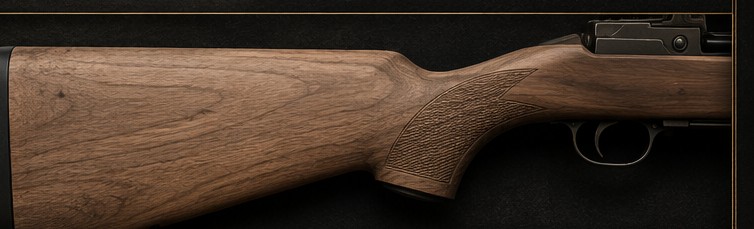
Boiled Linseed Oil Traditional Military Finish
Boiled Linseed Oil has historically been one of the most common finishes used on military rifles and older sporting firearms.
- Traditional military appearance
- Deep wood penetration
- Natural grain enhancement
- Easy long-term maintenance
- ✓ Historically authentic
- ✓ Easy application
- ✓ Inexpensive
- ✓ Easy repairs
- ✗ Long curing time
- ✗ Limited water resistance
- ✗ Requires maintenance
- ✗ Darkens with age
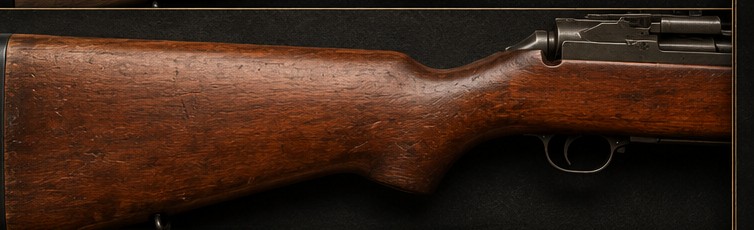
Tung Oil Natural Protection Finish
Tung oil provides superior water resistance while preserving a natural satin appearance.
- Better moisture resistance
- Flexible finish
- Preserves natural wood appearance
- Long-term durability
- ✓ Better water protection
- ✓ Satin finish
- ✓ Less yellowing
- ✓ Durable over time
- ✗ More expensive
- ✗ Multiple coats required
- ✗ Slow application
- ✗ Requires preparation discipline
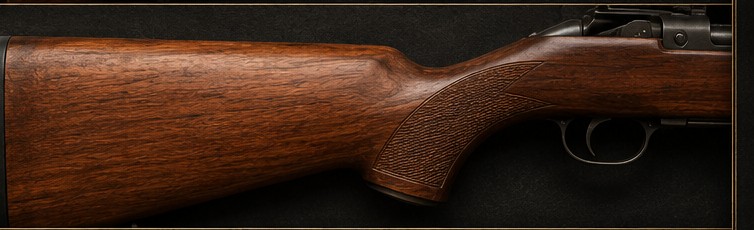
Polyurethane Maximum Protection Finish
Polyurethane forms a hard external protective shell over the wood.
- Strong waterproof barrier
- Scratch resistance
- Long-term durability
- Minimal maintenance
- ✓ Highly durable
- ✓ Waterproof
- ✓ Excellent protection
- ✓ Long lasting
- ✗ Less traditional appearance
- ✗ Harder repairs
- ✗ Can hide wood grain
- ✗ Less authentic look
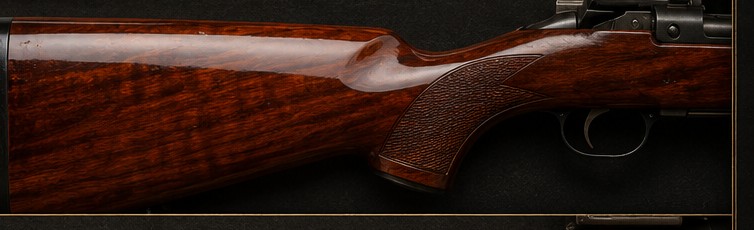
Tru-Oil Modern Gunsmith Favorite
Tru-Oil remains one of the most popular finishes used by modern gunsmiths.
- Rich gloss finish
- Faster drying
- Excellent grain enhancement
- Durable protection
- ✓ Beginner friendly
- ✓ Beautiful finish
- ✓ Faster cure time
- ✓ Excellent grain contrast
- ✗ Can build unevenly
- ✗ Requires careful buffing
- ✗ Less historically authentic
- ✗ Gloss finish may not suit every build
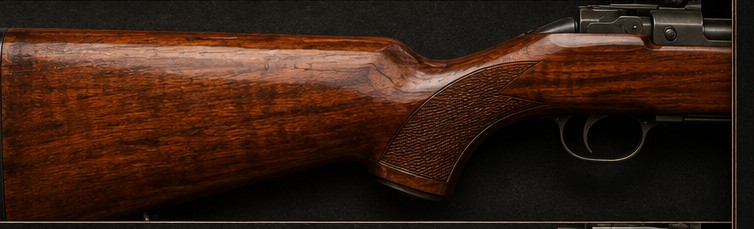
Shellac Historic Preservation Finish
Shellac was widely used on older military surplus rifles, particularly Soviet rifles.
- Historic authenticity
- Fast drying
- Gloss appearance
- Easy application
- ✓ Fast curing
- ✓ Classic military appearance
- ✓ Easy application
- ✓ Inexpensive
- ✗ Sensitive to heat
- ✗ Can crack over time
- ✗ Limited moisture resistance
- ✗ Less durable than modern finishes
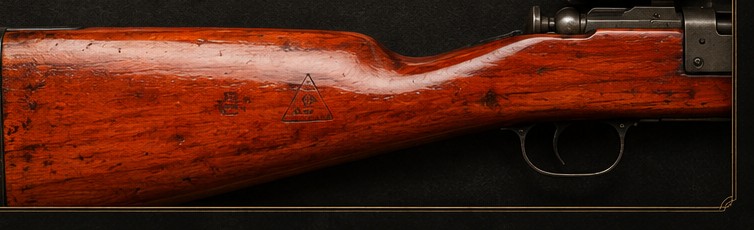
Comparison Table
| Finish | Durability | Water Resistance | Appearance | Repairability |
|---|---|---|---|---|
| Boiled Linseed Oil | Medium | Low | Excellent | Excellent |
| Tung Oil | High | High | Excellent | Good |
| Polyurethane | Very High | Very High | Moderate | Poor |
| Tru-Oil | High | Medium | Very Good | Good |
| Shellac | Low | Low | Excellent | Moderate |
Final Notes
The proper stock finish depends entirely on intended purpose.
A restoration project demands historical authenticity.
A field rifle demands environmental protection.
A custom heirloom build demands beauty and craftsmanship.
No finish is universally superior.
The gunsmith's responsibility is selecting the correct finish for the mission.
Because preserving wood is not maintenance.
It is stewardship.
"A firearm may serve one owner.
A properly finished stock may serve generations."